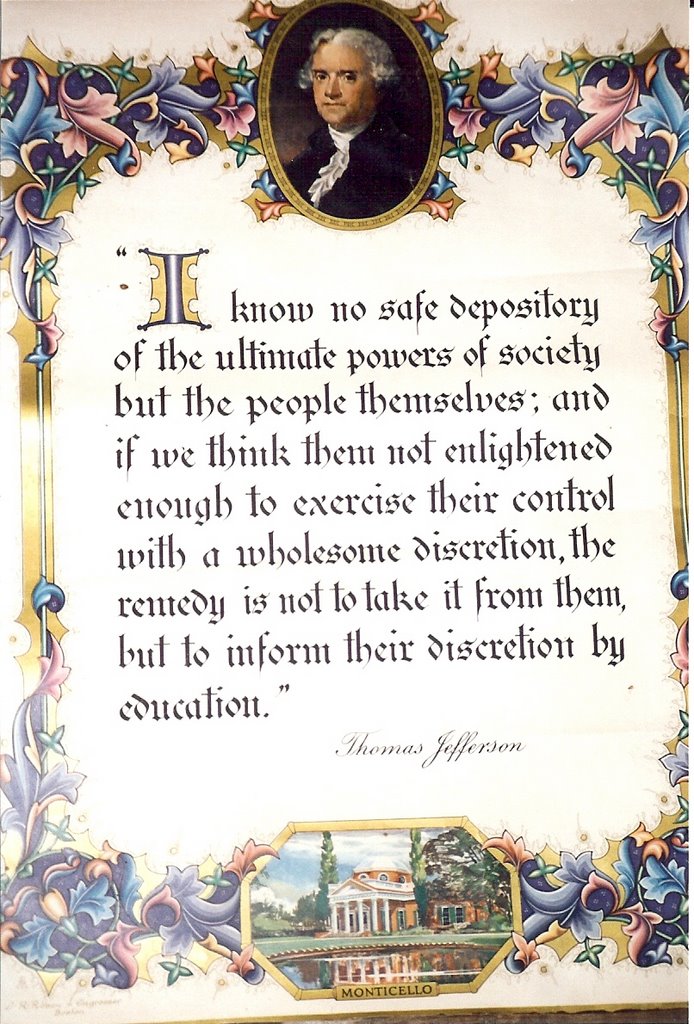
"The question before the human race is, whether the God of nature shall govern the world by his own laws, or whether priests and kings shall rule it by fictitious miracles."
John Adams in letter to Thomas Jefferson 1816
John Adams in letter to Thomas Jefferson 1816
The question of whether there is a natural law would be considered heresy to some. There are those who see God as one who tosses aside such rules on what amounts to whims. Pat Robertson prays to reverse a hurricane's path and it does. Others think a hurricane hit New Orleans because of abortion or homosexuality. If someone reasons that way, can you have a real debate about global warming?
If you look at climate from a geologic or prehistoric view, and assume there are laws of nature, the given is: Change will come. Plants that lived somewhere our whole lifetime have no guarantee they will continue. It's humans who want to think we can alter or stop change. Actually, we can; but in small ways that impact local areas. We can cut down all the forest in a region that doesn't readily grow new, and voila create a desert. We know we can to some degree alter air or water quality.
When you start discussing global warming, those who don't want any change in regulations or the government even being involved, begin with-- hey don't worry, the earth will always be here. So true, but that's not why we worry. We worry that we won't, or that a lot less of us will be able to sustain life.
The question should be a non-political one (of course, it isn't). Scientifically, are we heading into global warming on an epic scale or just a cycle that will soon reverse?
To put it more simply-- Is this Henny-penny screaming the sky is falling? Or is it "The Grasshopper and the Ant"? Are some preaching panic when there is no reason or are we humans taking our pleasures and not preparing for what is to come?
If we are facing massive climate change, was what humans have done a factor in it? Or is it just what happens? Can we change the situation if we try? Well we won't know that as we aren't trying. But are we at least preparing?
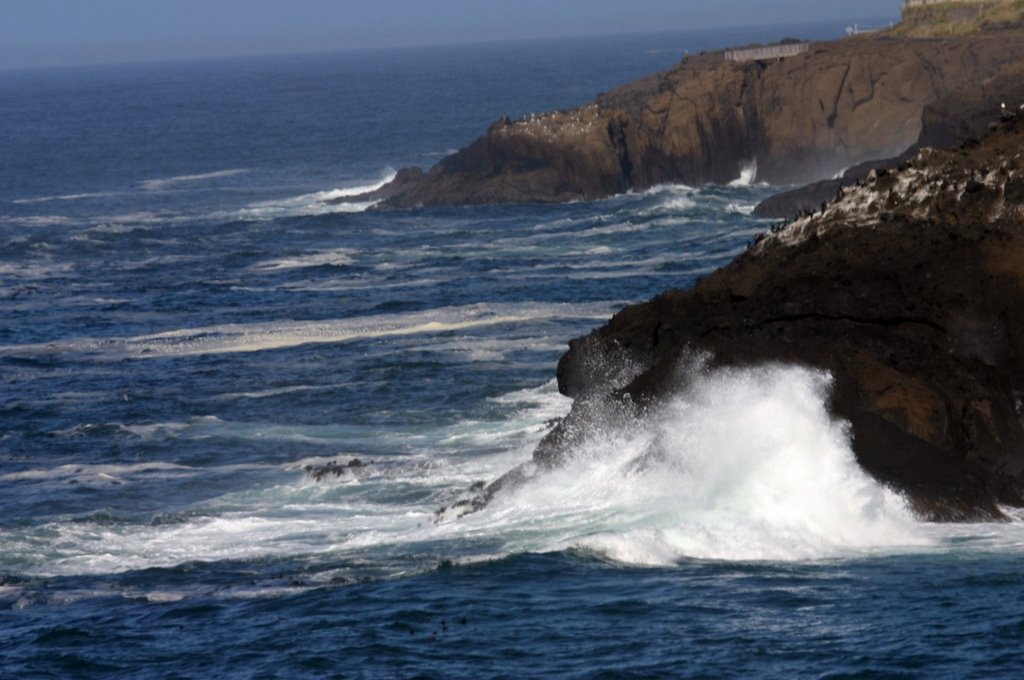
Many scientists, who do believe in global warming say that the one for sure thing is that the oceans will rise. The question being debated is how much? Seacoast towns better be thinking about this-- not that most could do much about it. Big cities like New York could right now be figuring where to build dikes as they have in the Netherlands. Except in the United States, dike-making appears to be less than state of the art.
The fisheries are changing but is that over-fishing or warming? Off the coast of Oregon there are fewer fish as the 'dead zones' expand. Salmon and steelhead aren't coming back up the streams in the numbers they once did. The ocean water is warmer (I can personally testify to this given I can wade in it and not numb my feet).
The seasons have been warmer than usual where I live in the Pacific Northwest. When I was a girl the summers were like this last one, but the winters were much colder, and my father remembered the Columbia River freezing over solid enough to drive cars on it. That certainly hasn't happened in my lifetime. Does that prove anything? Seasonal swings have been part of life on earth all along, and our entire recorded history is a short one.
One thing to make clear-- "global warming" is about climactic change. There would be places that would be warmer, but others could have an ice age descend on them.
If there is an approaching climactic catastrophe, would our government or anybody else's tell ordinary citizens about it? Not likely given they try to hide anything they think might cause panic. Are they studying it? Maybe. Are there any relocation plans in place in case they are required? Silly question given the experience of Katrina where everybody knew something like it was definitely coming, and this one is just a 'maybe.'
Personally, and maybe surprisingly to some, I don't believe Bush did wrong to refuse to sign Kyoto. Not because such an idea was a bad one; but was that treaty intended to limit emissions around the world? It was aimed at the developed nations and didn't deal with places like India and China, who are pouring out pollution. If there had been serious United Nations concern about greenhouse gases being behind the global warming, the standards would have to be worldwide.
To add to it, if the United Nations was taking climate change and the health of the earth seriously, shouldn't there be some kind of concerted effort to help Brazil stop razing the Amazon which has been a major part of oxygen balance for the world. That would require the rest of the world cooperating by sending money to help Brazil find new industries enabling them to give up their own money-maker. That has not happened and the cutting down of the Amazon continues unabated.
So what can we do? Maybe nothing. I think we should demand our government seriously study and have plans in the works on how to protect our major coastal cities. Regardless of whether emissions are factors in global warming, limiting them definitely relates to healthier air quality.
I'd like to think governments around the world were considering how they would handle a need to shift populations. In our country, Bush and Republicans aren't going to do any of that. Bush goes back and forth whether he even thinks it's a problem. Part of his constituency is convinced Christ will come again first. Republicans generally fight any increase in air quality standards on industry based on its cost. Like cockpit doors were too expensive to make solid up until 9/11 showed what expensive was.
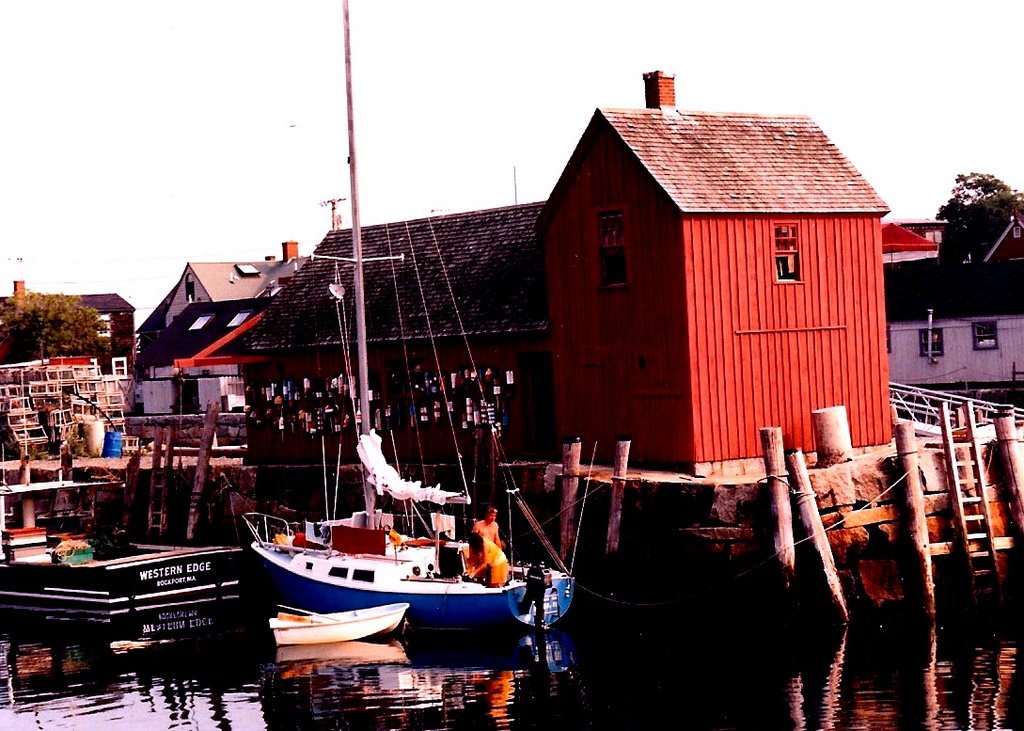
These pictures are from a month I spent in Massachusetts. They repres
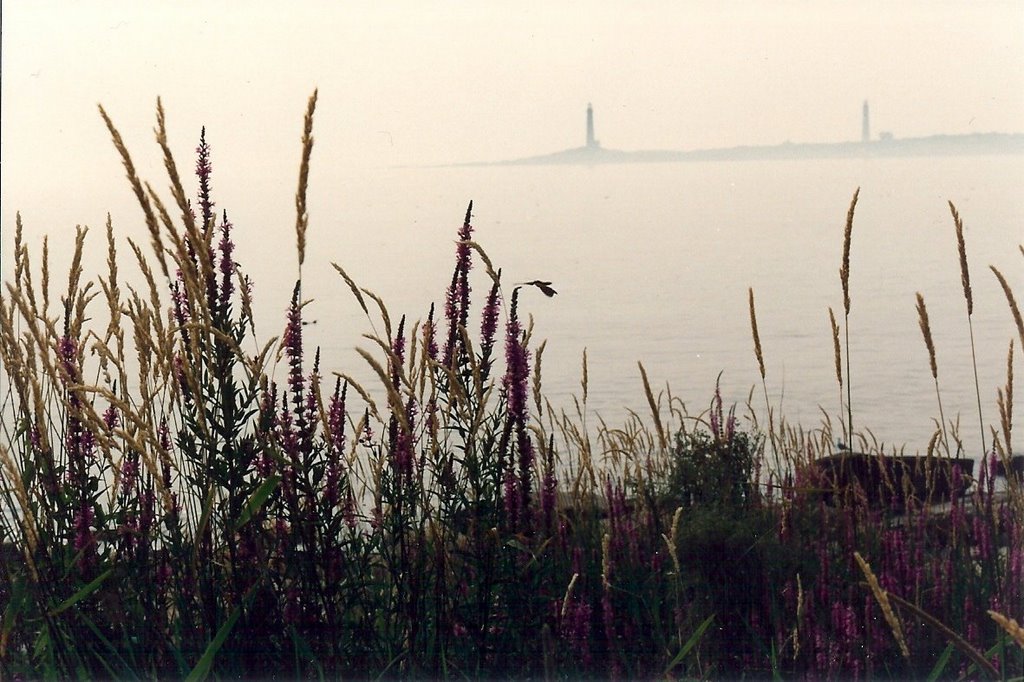 ent the two sides of this coin. The first one is of Rockport, the second the shoreline on Cape Ann.
Rockport represents the bigger picture. Fisheries receive some of the first alerts on ocean changes. They will also be the communities submerged if the seas rise.
In the picture of Cape Ann, that air you see is not fog but smog. Until that month, I had no idea that the East Coast suffered so much pollution in the summer, but the people there said it came up from inland states like Ohio. The air was heavy with it the entire time I was there. Although I will say that kind of sky made for some interesting photographs, I doubt it was particularly healthy to breathe.